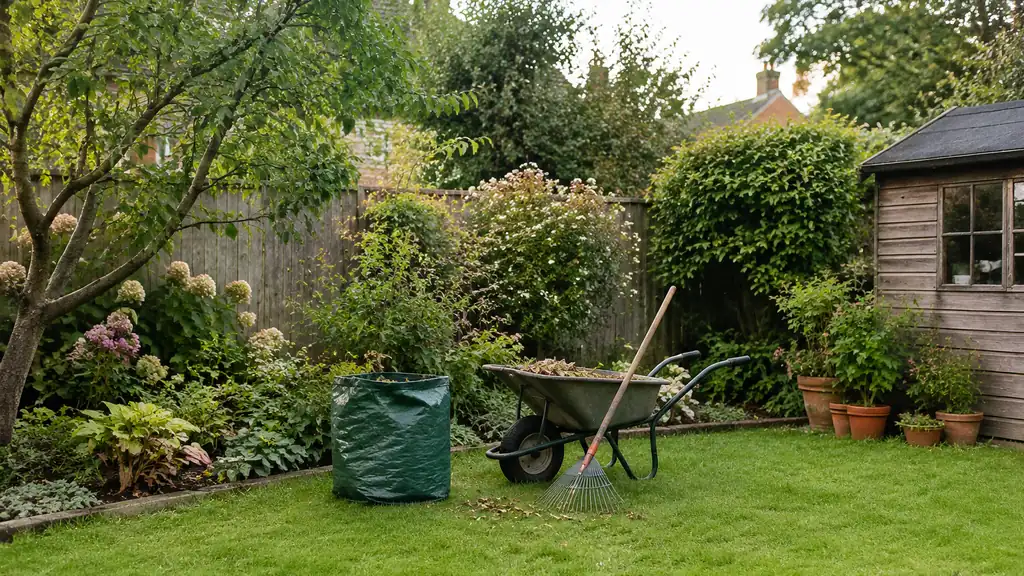
Garden maintenance is a regular walk-through plus a seasonal push. Watering checks, weeding and pest spotting belong to the routine, while bigger jobs like pruning, feeding and hedge trimming follow the season. Your climate, plant list and time of year determine the right frequency. A fixed calendar cannot account for every garden.
Why There Is No Single Answer
Two neighbouring gardens can need completely different schedules. One is mostly lawn and a few shrubs; the other is a rose bed, a vegetable patch and a mature hedge line. The lighter plot asks for a quick pass now and then, while the heavier one takes up far more of the week through summer.
Three things drive the schedule.
- Climate. A dry summer in Arizona or Texas means watering moves to the top of the list, sometimes daily for new plantings. A wet spring in Oregon or the UK means the opposite problem, and drainage matters more than irrigation.
- Plant types. Succulents and established shrubs ask for very little. Roses, fruit trees and annual beds ask for a lot.
- Season. Growth slows to nothing in winter, then explodes in spring. Your schedule should follow that curve.
Set a base rhythm and adjust it month by month as the garden tells you what it needs.
The Weekly Walk-Through
This is the habit that separates a garden that works from one that keeps surprising you. Walk the whole plot with no tools except a bucket. How long it takes depends on the size of the plot and how many beds it holds.
Look for the following:
- Soil moisture a finger’s depth down, at the base of plants rather than on the surface
- Weeds while they are still small enough to pull by hand
- Discoloured leaves, holes, sticky residue or fine webbing, which point to pests
- Anything that has died back, snapped or started to lean
Deal with what you find on the spot if it takes under a minute. Everything else goes on a list for the weekend. This is also the moment to check irrigation lines and drip emitters, because a blocked emitter looks exactly like a plant that needs more water.
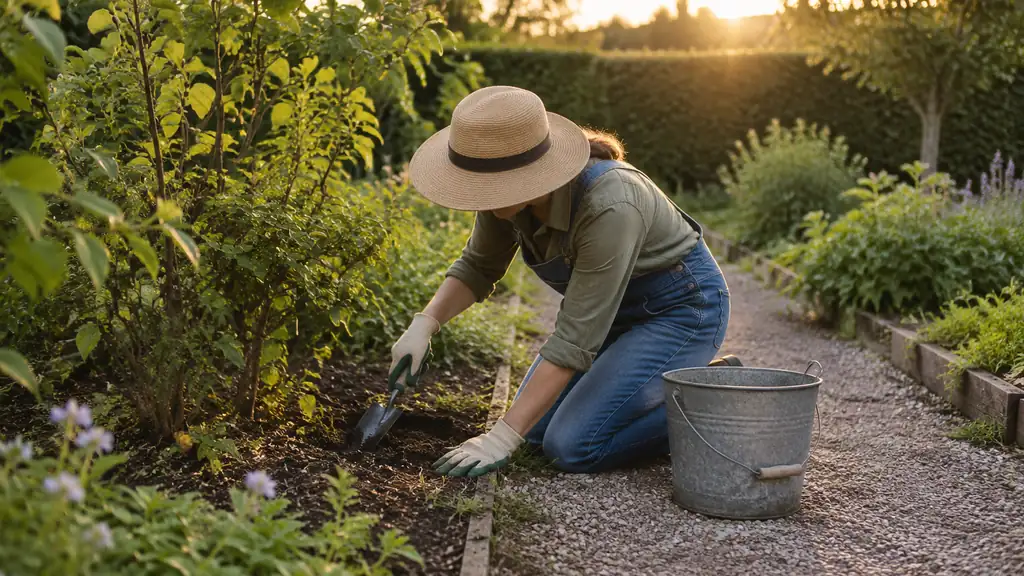
A Seasonal Maintenance Calendar
Think in four seasonal blocks across the year.
Spring. Cut back anything damaged over winter, feed beds as growth restarts, mulch before the weeds get going, and service the mower before the first cut. This is the heaviest block of the year.
Summer. Watering and mowing dominate. Deadhead flowers to keep them coming, watch for pests weekly, and trim hedges while they are actively growing so cuts heal fast.
Autumn. Clear fallen leaves, plant bulbs and bare-root shrubs, and give the lawn its last feed. This is the window to fix soil before winter.
Winter. Mostly structural work. Prune dormant trees and shrubs where your local rules allow, clean, sharpen and oil tools, and plan next year’s beds. Growth has stopped, so there is little to damage.
How much attention each block needs varies with local conditions and what your garden holds. Spring and summer carry the growth, autumn is for clearing and planting, and winter slows to dormant pruning and tool care.
Step-by-Step: Building Your Own Schedule
- Walk the garden and list every distinct area: lawn, hedges, beds, pots, vegetable patch, trees.
- For each area, write down the jobs it needs across a year, from mowing to pruning to feeding.
- Assign each job a rough frequency based on how fast that plant grows in your climate.
- Mark the jobs that only make sense in one season, such as dormant pruning or bulb planting.
- Build a weekly slot for the walk-through and a monthly slot for the bigger jobs.
- Note the tools each job needs so you are not hunting for a pruning saw mid-task.
- Review the schedule after the first month and move anything that keeps slipping.
- Keep the list somewhere you will actually see it, on the fridge or in a phone reminder.
The list will be wrong in places the first year. That is fine. Adjust it as you learn how fast your particular soil and climate push growth.
Tools That Earn Their Space
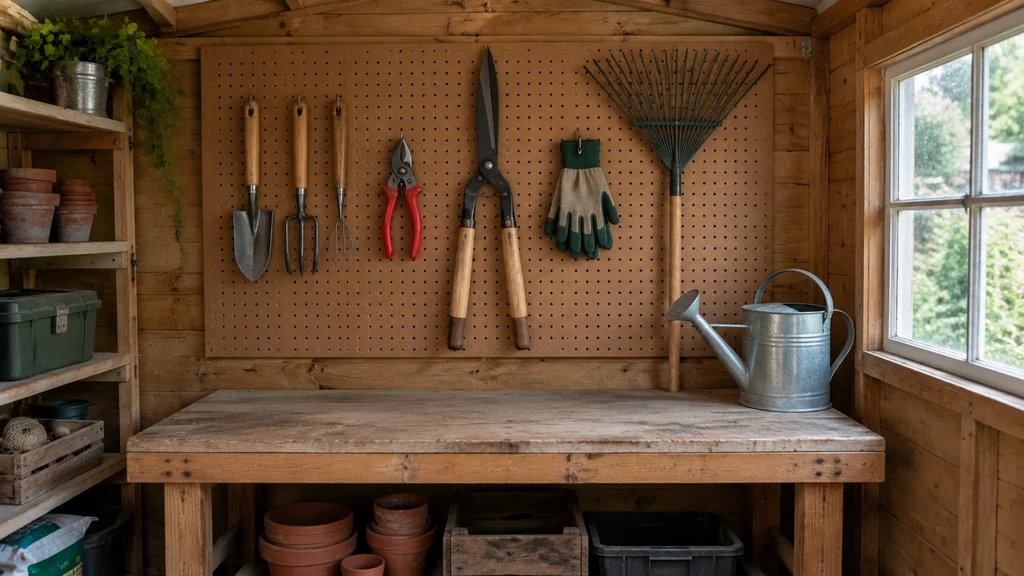
You do not need much, but the few things you buy should be good ones. A bypass pruner, a pair of hedge shears, a rake, a spade, a hoe, a hose or watering can, and a bucket cover most of the work.
For anything beyond a small plot, a mower and a hedge trimmer save real time. Buy once and maintain them: clean blades cut cleanly, and a blunt pruner crushes stems, while a sharp one slices them cleanly and helps limit disease entering the wound.
A hedge trimmer that stalls or kicks because it is underpowered for the hedge is a safety problem, and the table saw buying guide for contractor, hybrid and cabinet models explains how to match the machine to the job. For long rip cuts, the trade-offs between a track saw and a table saw are worth understanding before you spend. And if you work alone in a shed, the SawStop brake system and what it costs is the kind of safety feature you only appreciate once.
Mistakes That Cost You a Season
Watering according to a timer rather than the soil. Deep watering beats a light sprinkle, because shallow watering trains roots to stay near the surface. Check the soil moisture and what each plant needs before you reach for the tap.
Pruning at the wrong time. Cutting spring-flowering shrubs in spring removes the buds that would have flowered. Learn which of your plants flower on old wood and which on new, then prune accordingly. When in doubt, check the label or ask at a local nursery.
Ignoring the soil. Compacted, poorly drained soil kills more plants than pests do. Aerate lawns, add organic matter to beds, and fix drainage before you plant anything expensive.
Letting weeds set seed. One weed left to flower becomes hundreds next spring. Pull them small.
Cutting hedges hard in a heatwave. Stressed plants recover slowly. Trim in cooler, damper conditions and water afterwards if the weather stays dry.
Skipping tool maintenance. Rusty, blunt tools make every job harder and spread disease between plants. Clean blades between shrubs, especially after working on anything sick.
When to Call a Professional
Most garden maintenance is well within reach for a homeowner. A few jobs are not.
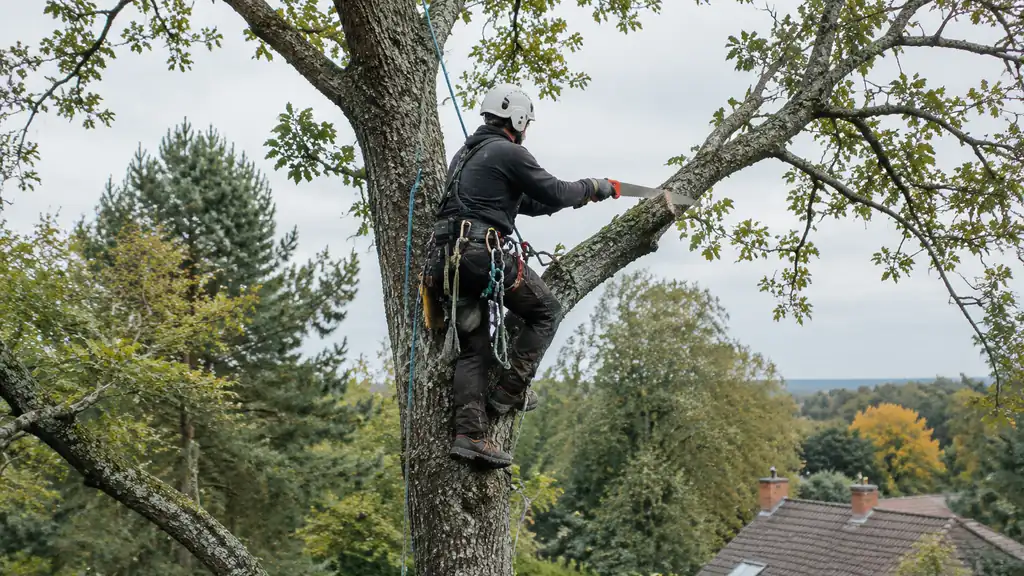
Tree work above head height, anything near power lines, stump grinding and large removals belong to an appropriately trained professional. Check local requirements for the work you need. The same goes for chainsaw work on standing trees if you are not experienced. A fall from a ladder with a running saw is not a risk worth taking to save a fee.
If your garden has drainage problems, retaining walls or irrigation that needs designing from scratch, a landscaper will usually save you money by getting it right the first time. For everything else, the weekly walk-through and a seasonal plan will carry you.
Garden Maintenance FAQ
How often should garden maintenance be done?
The frequency depends on the garden and the growing conditions. Watering, weeding and pests need regular checks, while pruning, feeding and trimming follow how fast the plants are growing. Spring and summer need the most attention, autumn is for clearing and planting, and winter is mostly tool care and dormant pruning.
Is once a month enough for a small garden?
For a low-maintenance plot of shrubs, succulents and a small lawn, monthly can work through the cooler months. In peak growing season most gardens need weekly attention, because weeds, growth and water loss all speed up together.
How often should I mow the lawn?
It depends on growth rate, which follows temperature, rainfall and feeding. Mow when the grass has grown enough to need it, and let the conditions guide the interval. Never cut more than about a third of the blade height in one pass, and check the spec sheet for your mower’s cutting heights.
How often should I water established plants?
Deep watering less often beats light daily watering. For most established beds, water when the top layer of soil has dried. Check the soil and what each plant needs. New plantings need more frequent attention until roots establish.
Can I do all garden maintenance myself?
Most of it, yes. Pruning shrubs, mowing, weeding, planting and feeding are all homeowner jobs. Leave tree work at height, stump removal and anything near overhead lines to an appropriately trained professional, and check the local requirements that apply where you garden before pruning protected trees.
Thank you for reading!