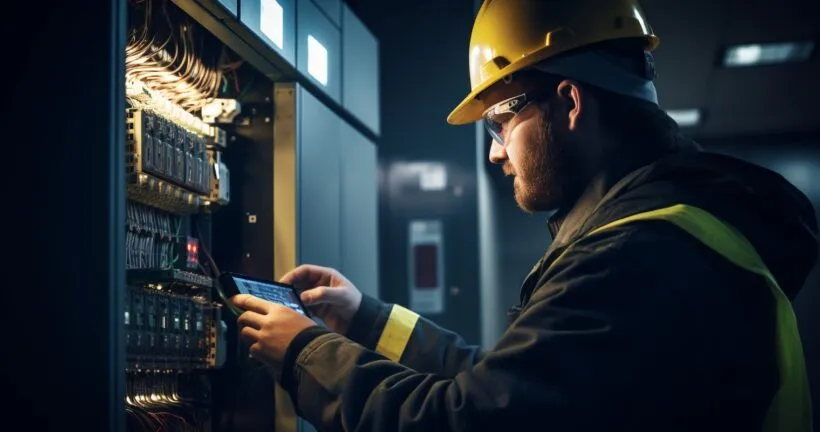
Have you ever wondered, Why Are Transformers Necessary For Home Electrical Service? Every time you plug in a device or switch on a light, you’re benefiting from the silent work of transformers. These unsung heroes of the electrical world play a pivotal role in ensuring that our homes receive electricity that’s safe and usable. In fact, according to the U.S. Energy Information Administration, transformers are a crucial component in the delivery of electricity to over 127 million households. Dive into this comprehensive guide to understand their significance and how they shape our daily lives.
Understanding the Basics of Transformers
| Transformer Type | Function |
|---|---|
| Step-up Transformer | Increases voltage for long-distance transmission. |
| Step-down Transformer | Decreases voltage for safe household use. |
| Isolation Transformer | Separates circuits and provides shock protection. |
| Autotransformer | Steps up or down voltage using a single winding. |
| Distribution Transformer | Provides voltage transformation for neighborhoods. |
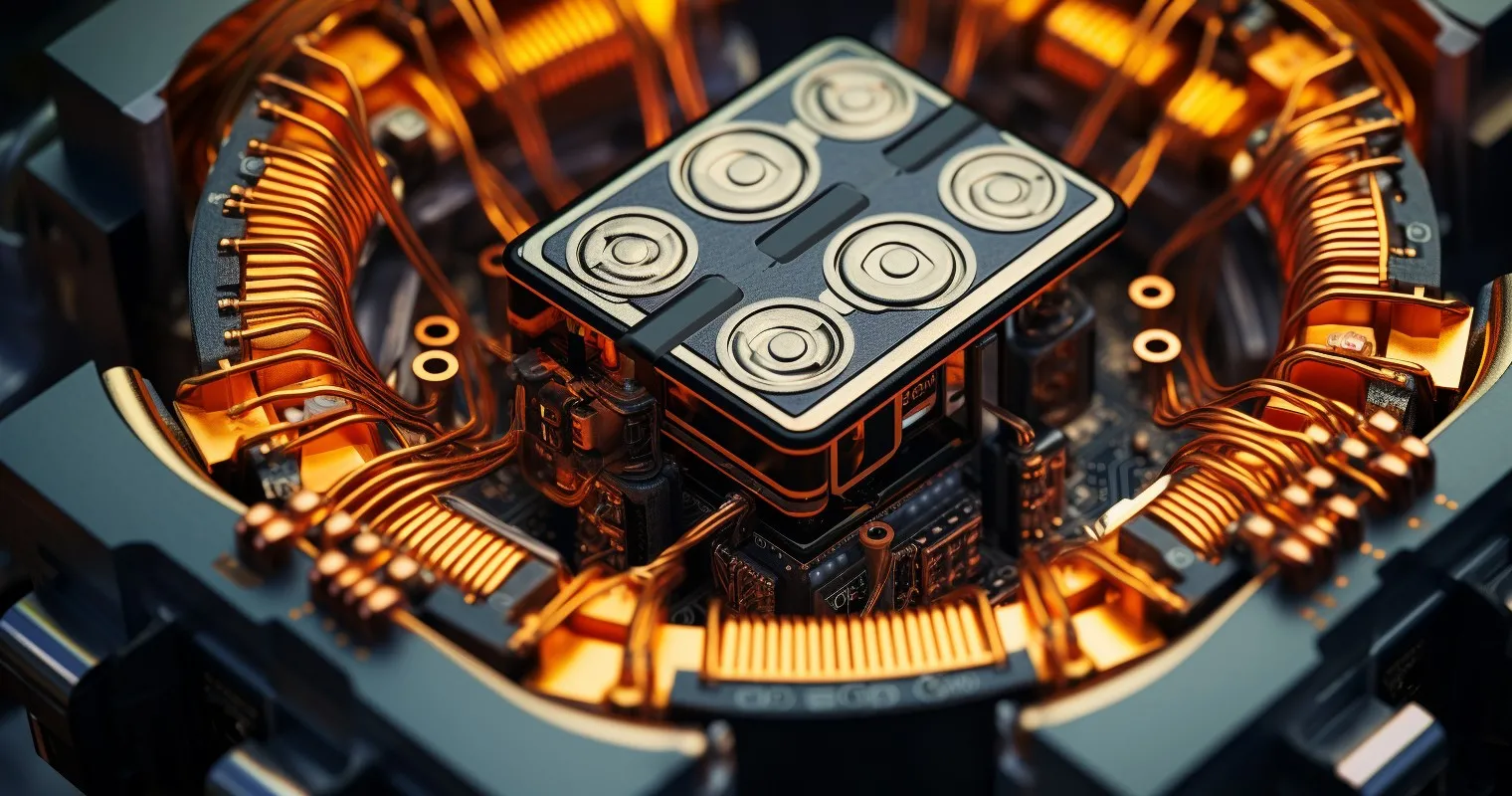
When you hear the word “transformer”, your mind might jump to those shape-shifting robots from the movies. But in the electrical world, transformers are devices that have a much more grounded (pun intended!) role. At its core, a transformer is an electrical device that transfers electrical energy between two or more circuits through electromagnetic induction.
The magic behind transformers is a principle called electromagnetic induction. This is the process by which a change in the magnetic field within a closed loop of wire induces a voltage in the wire, causing electricity to flow.
But not all transformers are created equal. There are various types of transformers, each designed for specific applications. For instance:
- Step-up transformers increase voltage, useful for long-distance transmission.
- Step-down transformers decrease voltage, making electricity safe for household use.
- Isolation transformers separate two circuits and provide protection against electric shocks.
Role of Transformers in Home Electrical Service
Ever wondered why you don’t get zapped when you plug in your phone charger? Thank the transformers. Their primary role in homes is to ensure safety by stepping down the high voltage from power lines to usable levels for our devices. Without them, our gadgets would fry from the excessive voltage!
Transformers also play a pivotal role in the efficient transmission of electricity. By stepping up the voltage for transmission and stepping it down for consumption, they minimize energy loss, ensuring that the power reaches our homes efficiently.
Moreover, transformers are omnipresent in our daily lives, often without us realizing it. They’re integral in devices like chargers, ensuring our phones don’t get a voltage overload, in appliances like microwaves, and even in lighting systems to regulate the power supply.
The Science Behind Transformers
For those itching to know the nitty-gritty, let’s dive deeper into how transformers work. At the heart of a transformer are its core and windings. The core, often made of iron, directs the magnetic field generated by the windings. The primary winding creates a magnetic field, and the secondary winding receives this field, inducing a voltage.
The number of turns in the windings determines whether the transformer increases or decreases the voltage. It’s a dance of magnetic fields and electric currents, all orchestrated to ensure that the right amount of power reaches its destination.
For a practical application on how transformers impact our homes, check out How to install a 220-240 volt outlet. And for a broader perspective on their role in power supply, this article offers a comprehensive view.
Why Are Transformers Necessary For Home Electrical Service?
Ever had a moment where you plugged in a device, and it went “poof”? Or perhaps you’ve experienced a sudden blackout? These issues can often be traced back to voltage problems. And this is where transformers come into play in our homes.
Transformers are like the unsung heroes of our electrical systems. Their primary role? Protecting household devices from voltage fluctuations. Imagine feeding your pet fish an entire pizza. It’s too much, right? Similarly, without transformers, our devices would be overwhelmed by the sheer amount of voltage from the main lines.
Another vital role of transformers is reducing energy loss during transmission. It’s a known fact that transmitting electricity at higher voltages reduces energy loss. Transformers step up the voltage for efficient transmission and then step it down for safe household use. It’s like having a personal bodyguard for electricity, ensuring it travels safely and efficiently!
Lastly, transformers play a crucial role in ensuring a consistent power supply and preventing blackouts. They maintain a balance in the power grid, ensuring that every home gets its fair share of electricity. So, the next time you enjoy an uninterrupted movie night, you know whom to thank!
Real-life Applications of Transformers in Homes
| Application | Transformer Role |
|---|---|
| Phone Chargers | Ensures devices receive the right voltage. |
| LED Lighting Systems | Provides consistent voltage, prevents flickering. |
| Doorbells & Security Systems | Enables seamless operation. |
| Power Tools | Safely steps down voltage for user protection. |
| Electrical Appliances | Regulates voltage, prevents damage. |
Now, let’s bring this down to our everyday life. Where exactly are these transformers hiding in our homes?
Firstly, they’re sneakily present in electronic devices and their chargers. Ever noticed that little boxy thing on your laptop charger? That’s a transformer, ensuring your laptop gets just the right amount of power it needs.
Next, they’re shining bright in lighting systems, especially with LED lights. Transformers in lighting systems ensure that the lights get a consistent voltage supply, preventing flickering and prolonging the life of the bulbs.
Lastly, ever wondered how your doorbell rings or how your home security system stays alert? Transformers are at work again, especially in home security systems and doorbells, ensuring they function seamlessly.
For those keen on diving deeper into how our homes function, check out Understanding HVAC systems. And for a broader perspective on the role of transformers, this article offers a comprehensive view.
Safety and Maintenance of Transformers in Residential Areas
Safety first! That’s a motto we all should live by, especially when dealing with electrical components like transformers. The importance of proper installation and grounding cannot be stressed enough. Think of grounding as the seatbelt for your transformer. It ensures that in case of any electrical mishap, the current has a safe path to travel, protecting both the equipment and the residents.
Now, just like you’d take your car for regular check-ups, transformers too need some TLC. Regular inspection and maintenance are crucial. Dust off those cobwebs, check for any signs of wear and tear, and ensure all connections are secure. A well-maintained transformer not only lasts longer but also operates more efficiently.
But wait, there’s more! Safety precautions to prevent electrical hazards are a must. Keep the area around the transformer clear, ensure it’s placed in a well-ventilated space, and for heaven’s sake, no DIY experiments, please! Remember, while transformers are essential, they’re not toys.
For those who fancy a bit of DIY around the house, here’s a fun guide on how to replace a kitchen sink basket strainer without any skills. But leave the transformers to the pros!
Future of Transformers and Technological Advancements

| Trend | Impact |
|---|---|
| Smart Transformers | Real-time voltage adjustment, communication. |
| Green Transformers | Handling variable power inputs from renewables. |
| Energy-efficient Transformers | Reduce energy loss, lower operational costs. |
Ah, the future! A place where cars fly, robots cook dinner, and transformers… well, they get smarter. Enter the world of smart transformers. These aren’t your average transformers; they’re the brainy kind. They play a pivotal role in the modern electrical grid, adjusting voltage in real-time, communicating with other devices, and ensuring optimal power distribution. It’s like having a transformer that went to Harvard!
But there’s more. With the rise of renewable energy sources, there’s a shift in how transformers are designed. Solar panels, wind turbines, and the likes require transformers that can handle variable power inputs. The future looks green, and transformers are donning their eco-friendly hats.
Lastly, as with all things tech, there’s a constant push towards efficiency. The move is towards more energy-efficient transformers. Less energy loss, reduced operational costs, and a happier planet. It’s a win-win!
For a deeper dive into the world of transformers, check out this informative piece on the electrical distribution transformer serving your home.
Frequently Asked Questions
Why are transformers so crucial for homes?
Transformers are essential because they adjust voltage levels, making electricity safe and efficient for household use.
What happens if there’s no transformer in the electrical service?
Without transformers, homes would receive electricity at inconsistent and potentially dangerous voltages, risking damage to appliances and safety hazards.
How do transformers contribute to energy efficiency?
Transformers reduce energy loss during transmission, ensuring that homes receive power with minimal wastage.
Are there different types of transformers for homes?
Yes, there are various types, including step-up, step-down, and isolation transformers, each serving a specific purpose.
How often should residential transformers be inspected?
Regular inspections, at least annually, are recommended to ensure safety and optimal performance.
Can transformers affect my electricity bill?
Indirectly, yes. Efficient transformers can reduce energy loss, potentially leading to lower electricity bills.
Conclusion
Understanding Why Are Transformers Necessary For Home Electrical Service? is pivotal for every homeowner. These devices not only ensure the safety of our electrical appliances but also play a significant role in energy conservation. As we continue to rely heavily on electricity in our daily lives, recognizing the importance of transformers becomes even more crucial.
Thank you for reading!