How Much Does It Cost For Electrical In A New House? It’s a question many homeowners grapple with when planning a new build or renovation. According to recent statistics, electrical work can account for up to 10% of the total construction budget. This cost varies based on factors like location, house size, and the complexity of the electrical system. In this article, we’ll provide a detailed breakdown to help you understand these costs better.
Factors Influencing the Cost of Electrical Work in New Houses
When you ask, “How Much Does It Cost For Electrical In A New House?”, it’s not a one-size-fits-all answer. Several factors come into play:
Regional Differences in Labor Costs
| Region | Average Hourly Labor Cost ($) |
|---|---|
| New York | 90 – 120 |
| Los Angeles | 80 – 110 |
| Chicago | 70 – 100 |
| Houston | 60 – 90 |
| Miami | 85 – 115 |
| Atlanta | 70 – 100 |
| Seattle | 90 – 120 |
| Denver | 75 – 105 |
Just like the cost of a cup of coffee varies from New York to New Orleans, so does the cost of hiring an electrician. In some regions, labor costs can be significantly higher due to demand, cost of living, or licensing requirements.
Size and Complexity of the House
A sprawling mansion will naturally have a heftier electrical bill than a cozy studio apartment. More rooms mean more wiring, outlets, and fixtures.
Quality and Type of Materials Used
Gold-plated sockets might sound fancy, but they’ll certainly burn a hole in your pocket. The choice between standard and high-end materials can greatly influence costs.
Specialized Requirements or Custom Installations
Want mood lighting in your personal home theater or advanced security systems? Custom installations can add to the overall bill but bring a personalized touch to your abode.

The Importance of Proper Electrical Wiring
Safety Concerns and the Risk of Faulty Wiring
No one wants to play hide and seek with electrical fires. Proper wiring ensures that the only sparks flying are those of romance and not from your outlets.
Energy Efficiency and Long-Term Savings
Good wiring isn’t just about safety; it’s also about savings. Efficient electrical systems can reduce energy wastage, leading to lower bills over time.
Home Value and Resale Potential
A well-wired house is a hot property! Potential buyers often look for homes with sound electrical systems, ensuring a good return on investment.
Different Types of Electrical Installations and Their Costs
Basic Wiring and Outlets
The backbone of any electrical system, basic wiring, and outlets form the foundation. Costs can vary based on the number of outlets and the complexity of the wiring network.
Lighting Fixtures and Switches
From dimmers to chandeliers, the choices are endless. While a basic light switch might cost peanuts, designer fixtures can be a pretty penny.
Specialized Installations like Home Automation Systems
Turning your home into a smart hub? Automation systems, while offering luxury and convenience, come with their own price tag.
For a hands-on guide, check out How to Install a 220-240 Volt Outlet. And for a deeper dive into electrical wiring costs, this external resource is a goldmine of information.
Labor Costs: What to Expect
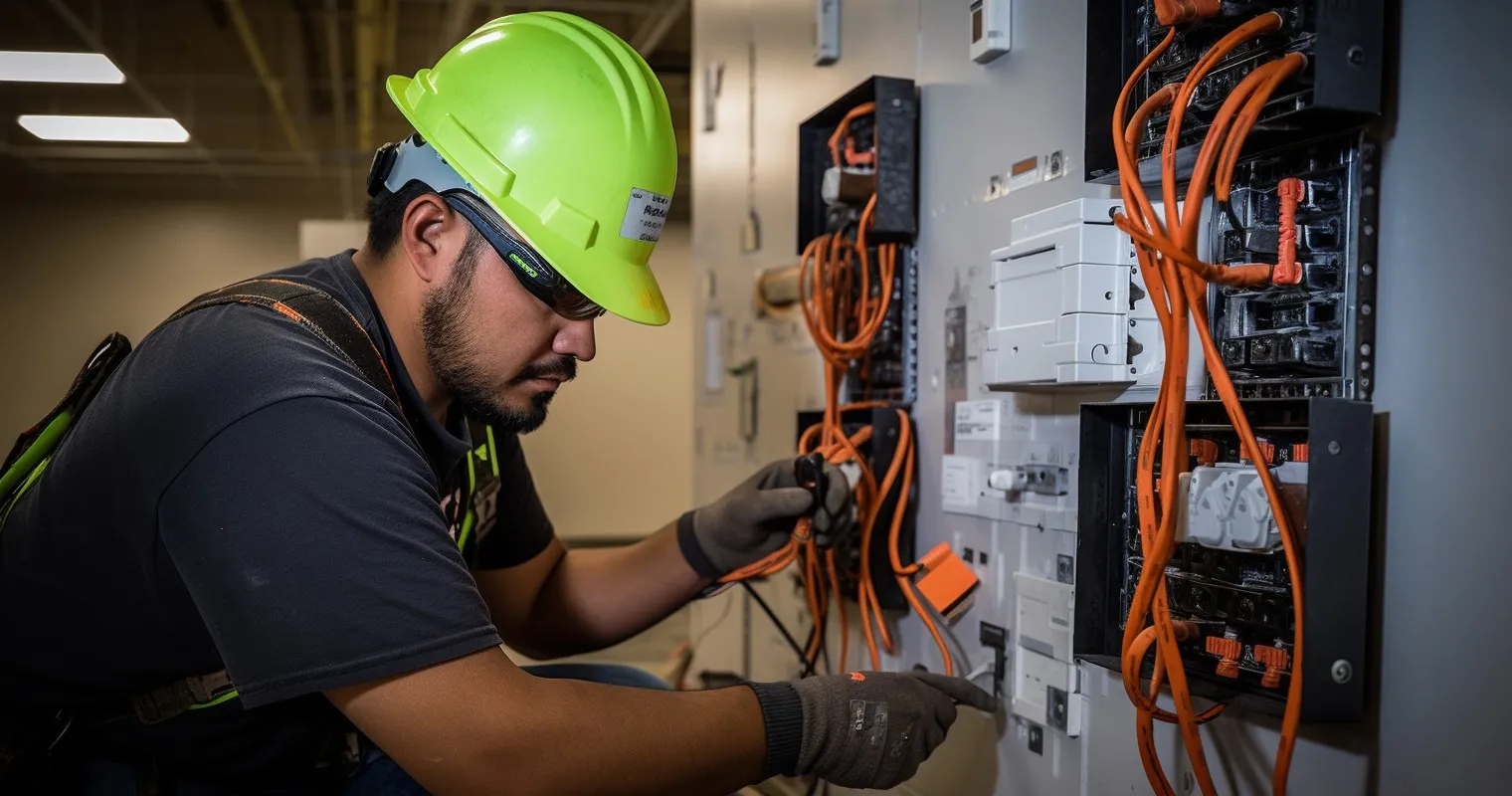
When diving into the world of electrical work, labor costs can be quite the shocker, and not just because of the electricity.
Average Hourly Rates for Electricians
The national average hourly rate for electricians hovers around $50 to $100. However, this can fluctuate based on experience, location, and specialization.
Estimated Time for Different Tasks
While installing a simple outlet might take an hour, wiring an entire room could take a day. Always consult with your electrician for a time estimate to avoid any surprises.
Potential Additional Charges or Fees
Beyond the basic labor, there might be charges for emergency services, travel fees, or after-hours work. It’s always a good idea to ask for a detailed quote upfront.
Material Costs: From Wiring to Fixtures
| Material | Average Cost ($) |
|---|---|
| Wiring (per foot) | 6 – 8 |
| Outlets | 5 – 25 |
| Switches | 5 – 25 |
| Premium Wiring (per foot) | 10 – 12 |
| Premium Outlets | 20 – 50 |
| Premium Switches | 20 – 50 |
| Circuit Breaker | 50 – 200 |
| Electrical Panel | 500 – 2500 |
Materials: the nuts and bolts (or should we say wires and switches?) of your electrical work.
Cost of Wires, Outlets, and Switches
The backbone of any electrical project. On average, wiring can cost anywhere from $6 to $8 per foot, while outlets and switches range from $5 to $25 each.
Price Variations Based on Quality and Brand J
ust like designer clothes, there are designer electrical components. Premium brands might offer better longevity and performance but come with a heftier price tag.
Additional Materials like Circuit Breakers and Panels
These are the unsung heroes of your electrical system, ensuring everything runs smoothly. A new circuit breaker can cost between $50 to $200, while panels range from $500 to $2,500.
How Much Does It Cost For Electrical In A New House: Additional Considerations
Ah, the fine print. Let’s delve into those often-overlooked costs.
Cost of Permits and Inspections
Before you start any electrical work, you’ll likely need a permit. This can range from $50 to $500, depending on your locality. Inspections, ensuring everything’s up to code, might add another $100 to $500.
Potential Savings from Tax Credits or Rebates
Good news! Some energy-efficient installations might qualify for tax credits or rebates. It’s worth checking local programs or federal incentives.
The Impact of DIY vs. Hiring Professionals
While going the DIY route might seem cost-effective, mistakes can be costly. Hiring professionals ensures the job’s done right, but it’s essential to weigh the pros and cons.
For those curious about common electrical issues, here’s an insightful read on Multiple Electrical Outlets Not Working: Why?. And for a broader perspective on rewiring costs, this Forbes article is a must-read.
Tips for Reducing Electrical Installation Costs
We all love a good deal, especially when it comes to home improvements. So, when pondering the question, “How Much Does It Cost For Electrical In A New House?”, consider these money-saving tips:
Shopping Around for Competitive Quotes
Don’t just settle for the first electrician you find in the yellow pages (do people still use those?). Get multiple quotes. It’s like shopping for a new pair of shoes; you want the best fit at the best price.
Considering Energy-Efficient Installations
Think of energy-efficient installations as the kale of the electrical world. They might cost a bit more upfront, but they’ll save you money (and the planet) in the long run.
Taking Advantage of Off-Season Discounts
Just like holiday sales, electricians might offer discounts during their slower months. So, if you can wait, it might be worth it.
The Long-Term Benefits of Quality Electrical Work
Sure, cutting corners might save a few bucks now, but quality electrical work pays off in the long run.
Reduced Risk of Electrical Issues or Malfunctions
Nobody wants to play “Guess Why the Lights Flicker”. Quality work means fewer headaches and unexpected “adventures” in the dark.
Increased Home Value and Appeal to Potential Buyers
A well-wired home is like a well-tailored suit. It just looks (and works) better. Potential buyers will appreciate the effort and might be willing to pay a premium for it.
Peace of Mind Knowing Your Home is Safe and Efficient
Sleeping soundly, knowing your house won’t spontaneously combust? Priceless.
For those who’ve faced power issues, especially with essential gadgets, here’s a handy guide on No Power to Thermostat: 5 Reasons and Solutions. And if you’re looking for a broader perspective on electrical wiring costs, this external resource is a treasure trove of information.
Frequently Asked Questions
How much does the average electrical installation cost in a new house?
On average, electrical installation in a new house can range from $2,000 to $10,000, depending on various factors.
What factors influence the cost of electrical work?
The cost of electrical work is influenced by factors such as regional labor costs, house size, material quality, and specialized requirements.
Is it cheaper to do electrical work during construction or as a retrofit?
Doing electrical work during construction is typically cheaper as retrofitting often involves additional labor to navigate existing structures.
How can I save on electrical installation costs?
To save on costs:
- Get multiple quotes from electricians.
- Consider energy-efficient installations.
- Take advantage of off-season discounts.
How often should electrical systems in homes be inspected?
Electrical systems in homes should be inspected every 3-5 years to ensure safety and efficiency.
Are there any hidden costs in electrical installations?
Yes, there can be hidden costs such as permit fees, unexpected repairs, or upgrades required to meet current codes.
How does the cost of electrical work impact the overall value of a house?
Proper electrical work can increase the value of a house by ensuring safety, and efficiency, and meeting modern homebuyer expectations.
Conclusion
Understanding How Much It Cost For Electrical In A New House is crucial for homeowners to budget effectively and ensure the safety and efficiency of their homes. With the insights provided in this article, you’re now better equipped to make informed decisions. If you found this information helpful, consider sharing it with others embarking on their home-building journey!
Thank you for reading!