
Ever found yourself sneezing more often at home, even when it’s not flu season? You might be surprised to learn that the culprit could be right in your living room. What Houseplants Cause Allergies? It’s a question many homeowners and renters alike find themselves asking. Recent studies have shown that certain houseplants can indeed trigger allergic reactions in sensitive individuals. But before you decide to banish all greenery from your home, let’s dive deep into understanding which plants might be causing those unexpected sneezes.
The Science Behind Plant Allergies

Houseplants not only add a touch of greenery but also purify the air. But wait, why are you sneezing? Let’s dive into the science of it.
Allergic reactions in humans are often the body’s defense mechanism against foreign substances. When your immune system identifies a substance as harmful, even if it isn’t, it reacts. This reaction is what we commonly refer to as an allergy.
Now, how do houseplants fit into this picture? Well, certain houseplants can release substances that the human body might see as invaders. The main culprits? Pollen, mold, and other allergens. While pollen is a common allergen for many outdoor plants, some indoor plants can also be pollen producers. Additionally, the soil or the plant itself might harbor mold, especially if it’s kept in a damp environment.
Common Allergens in Houseplants
| Allergen | Common Source | Effects and Symptoms |
|---|---|---|
| Pollen | Male Date Palm, Queen Palm | Sneezing, runny nose, itchy eyes |
| Mold | Peace Lily, Boston Fern | Congestion, respiratory issues, allergies |
| Sap and Irritants | Dieffenbachia, Dumb Cane | Skin irritation, itching, rash, allergic reactions |
So, which plants should you be wary of?
Pollen producers are the sneaky ones. While they might look innocent, they can release pollen that triggers allergic reactions. Plants like the Male Date Palm are notorious for this.
Then there are plants that are a haven for mold. Overwatering or keeping your plant in a humid environment can turn it into a mold magnet. The Peace Lily, for instance, loves moisture, but too much of it, and you might just have a mold situation on your hands.
Lastly, some plants have sap and skin irritants. The beautiful Dieffenbachia, commonly known as Dumb Cane, has a sap that can cause skin irritations. It’s always a good idea to handle such plants with care and keep them out of reach of children and pets.
Wondering how to keep your home smelling fresh without the sneezes? Here’s a guide on making your house smell good. And if you’re curious about which other plants might be causing those unexpected sneezes, Clarityn’s article on houseplants and allergies is a must-read.
What Houseplants Cause Allergies?
| Houseplant | Allergenic Properties |
|---|---|
| Male Date Palm | Significant pollen producer |
| Weeping Fig | Can release irritating sap |
| Peace Lily | Can harbor mold if overwatered |
| Queen Palm | Produces pollen that can trigger allergies |
Ah, the age-old question for every plant lover with a sneeze: What Houseplants Cause Allergies? Well, let’s unravel this leafy mystery.
First on our list is the Male Date Palm. While it’s a popular choice for many homes due to its elegant appearance, it’s a significant pollen producer. So, if you’re sneezing more than usual, this might be the culprit.
Next, we have the Weeping Fig. It’s not crying because it’s sad; it’s probably making you cry with its allergenic properties. This plant can sometimes release a sap that some people find irritating.
The Peace Lily is another one to watch out for. While it’s a beauty to behold and is known for purifying the air, it can also be a haven for mold, especially if overwatered.
Lastly, the Queen Palm. Royalty in the plant kingdom, but it can royally mess up your sinuses with its pollen.
Safe Alternatives for Allergy Sufferers

| Plant Type | Characteristics | Benefits and Features |
|---|---|---|
| Areca Palm | Hypoallergenic, elegant appearance | Acts as a natural humidifier, adds greenery without triggering allergies |
| Spider Plant | Easy to care for, no allergens | Does not release allergens, unique look |
| Boston Fern | Lush green fronds, no pollen | Purifies the air, improves humidity |
Now, before you decide to turn your home into a plant-free zone, there’s good news. There are several houseplants that are kinder to those of us with allergies.
The Areca Palm is a fantastic choice. Not only is it hypoallergenic, but it also acts as a natural humidifier. Talk about a win-win!
Spider Plants are another safe bet. They’re easy to care for and don’t release any allergens. Plus, they have a unique look that adds a touch of whimsy to any room.
The Boston Fern, with its lush green fronds, is not just a sight for sore eyes but also allergy-friendly. It’s known to purify the air and doesn’t produce any pollen.
And the benefits? Well, having these plants at home means you get to enjoy a touch of nature without the sneezes. They purify the air, increase humidity, and let’s face it, they’re a treat for the eyes.
For those looking to add a touch of serenity to their gardens, check out these water features for your garden landscape. And if you’re keen on expanding your indoor garden without the fear of allergies, here’s a list of the top 8 indoor plants that are allergy safe.
Tips to Reduce Allergens from Houseplants
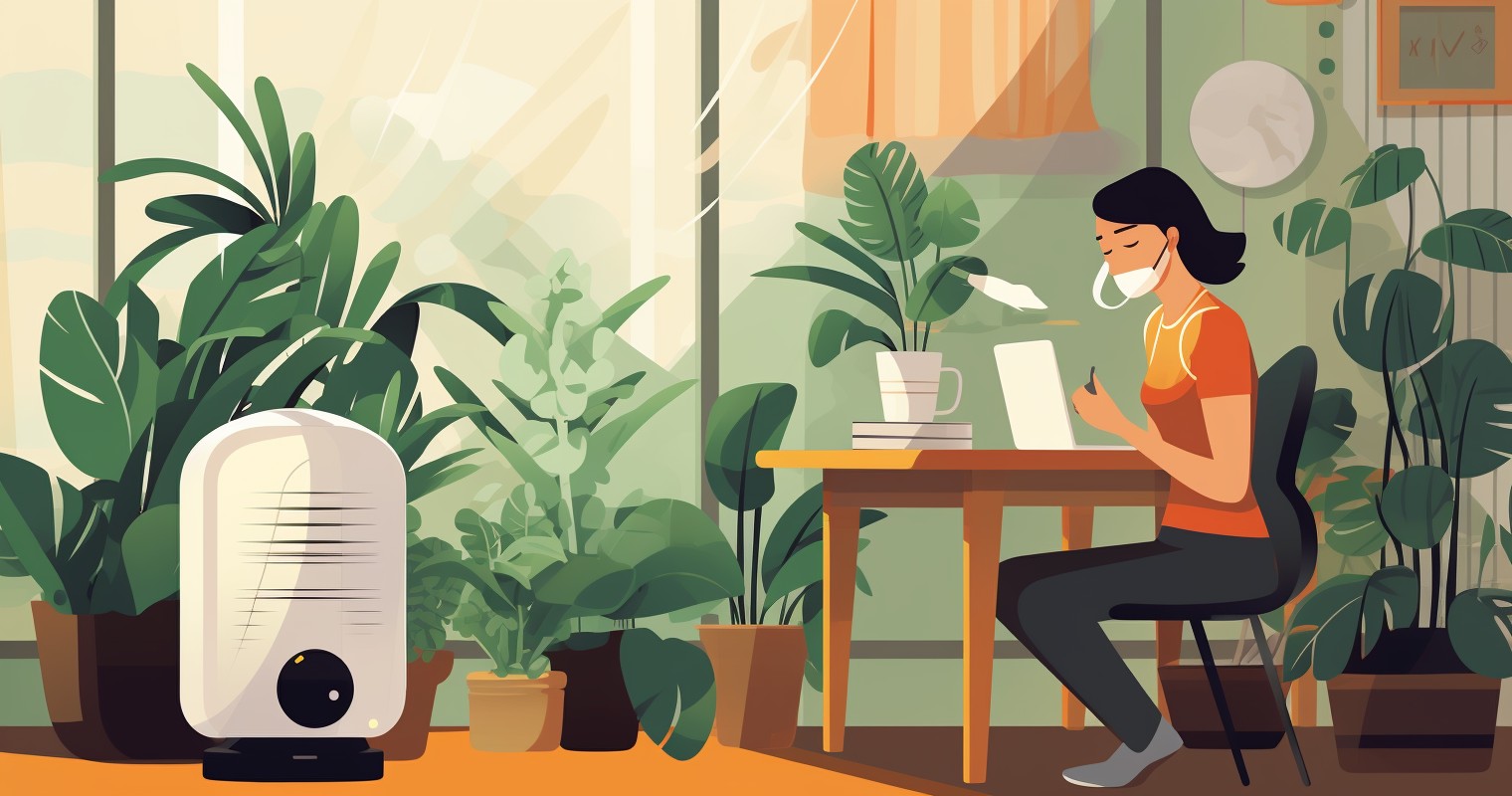
So, you’ve got a green thumb but also a sneezy nose? Don’t fret! With a few tweaks, you can enjoy your indoor garden without the sniffles.
First and foremost, proper care and maintenance of your plants is key. Overwatering can lead to mold growth, and we all know that’s an allergy nightmare. Ensure your plants have proper drainage and aren’t sitting in stagnant water.
Next up, regular cleaning and dusting. Just like any other item in your home, plants can collect dust. And where there’s dust, there are dust mites. A simple wipe down of the leaves or a gentle shower can do wonders. Not only does it keep the allergens at bay, but your plants will also look fresher and more vibrant. For those who dread the cleaning process, here’s a guide on deep cleaning your kitchen, and trust me, if you can tackle the kitchen, your plants will be a breeze.
Lastly, keeping your home well-ventilated is crucial. Fresh air circulation can reduce the concentration of airborne allergens. So, open those windows and let the fresh air in. Your lungs (and your plants) will thank you.
When to Seek Medical Advice
Now, while most plant allergies might cause a bit of sneezing or itchy eyes, it’s essential to recognize when things take a turn for the worse.
Recognizing severe allergic reactions is crucial. If you’re experiencing symptoms like difficulty breathing, swelling, or severe skin reactions after being around your plants, it’s time to seek medical attention. It’s always better to be safe than sorry.
While plants bring joy, if they’re causing distress, it’s essential to consult with an allergist. They can pinpoint the exact cause of your allergies and provide guidance on managing them. Sometimes, it might not even be the plant but the pollen from outside that’s hitching a ride on your indoor plants.
As for treatment options, there’s a range available, from over-the-counter antihistamines to more specialized treatments. But always remember, it’s essential to consult a professional before starting any medication. Curious about the nitty-gritty of plant allergies? Here’s a deep dive into the question, “Can you be allergic to houseplants?”.
Frequently Asked Questions
What Houseplants Cause Allergies the most?
Some of the most common houseplants that can cause allergies include the Male Date Palm and the Weeping Fig. It’s essential to research before bringing a new plant home.
Are all houseplants potential allergens?
No, not all houseplants cause allergies. Some plants are hypoallergenic and are safe for allergy sufferers.
How can I reduce allergens from houseplants?
Regular cleaning, dusting, and ensuring proper ventilation can help reduce allergens from houseplants.
Can pollen from houseplants cause allergies?
Yes, some houseplants produce pollen that can trigger allergic reactions in sensitive individuals.
Are there hypoallergenic houseplants?
Absolutely! Plants like the Areca Palm and the Spider Plant are considered hypoallergenic and are less likely to cause allergic reactions.
How do I know if I’m allergic to a specific houseplant?
If you notice symptoms like sneezing, itchy eyes, or skin rashes after being around a specific plant, you might be allergic. It’s best to consult with an allergist for a definitive answer.
Conclusion
Navigating the world of houseplants can be a bit sneezy, especially when you’re trying to figure out What Houseplants Cause Allergies. But with the right knowledge and precautions, you can enjoy the beauty and benefits of indoor plants without the sniffles. Remember, it’s all about finding the right balance and understanding which plants are best suited for your home and health.
Thank you for reading!